
Cash Flow Basics Every SME Owner Needs to Know

Running a small business means juggling a hundred things at once — and it's easy to focus on sales numbers while losing sight of what actually keeps your business alive: cash flow.
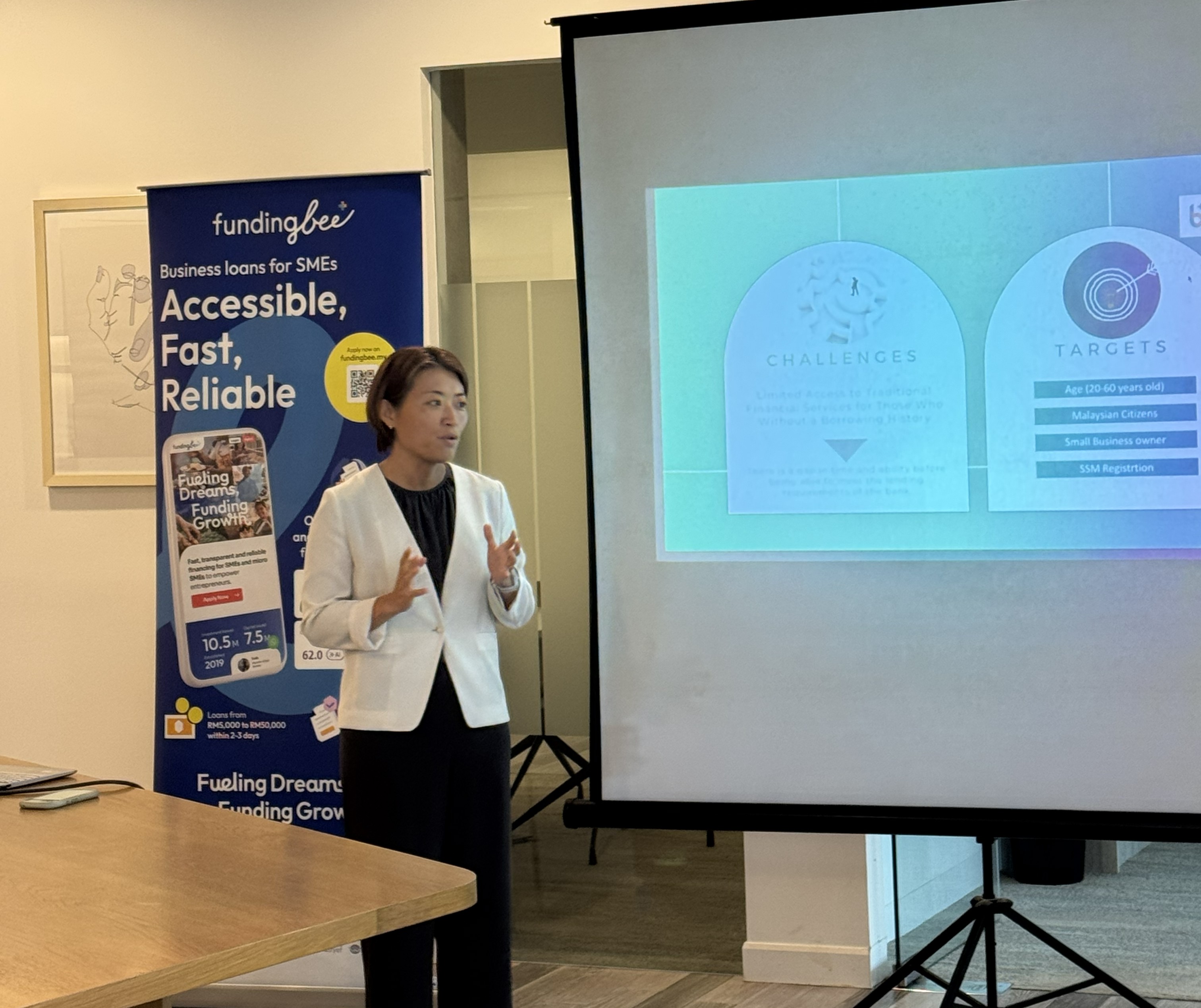
FundingBee's CEO, Fumiko, has seen it time and again: SME owners who are busy making sales and still run out of money. After years of working with Malaysian businesses across every stage of growth, she's distilled those experiences into one core lesson — revenue and cash flow are not the same thing.
Fumiko says, is one of the most critical steps any SME owner in Malaysia can take toward building a business that lasts.
What Is Cash Flow — And Why It Can Make or Break Your Business
Cash flow is the movement of money in and out of your business: cash in from sales and receivables, and cash out for rent, inventory, payroll, and loan repayments. When outgoings consistently exceed income, your business becomes cash flow tight — unable to cover day-to-day costs even if sales look healthy on paper.
The trap many SME owners fall into is mistaking revenue for financial health. A business can appear profitable while slowly running out of cash — especially when client payments arrive late, expenses creep up, or growth outpaces available funds.
Lenders and SME finance providers know this well: they don't just check your revenue. They look at your bank balance, spending patterns, and cash flow consistency. Keeping expenses within roughly 80% of revenue puts you in a far stronger position when seeking funding.
The Role of Bookkeeping in Cash Flow Management
Bookkeeping is the foundation of good cash flow management. Without accurate records, you have no visibility into where your money is going — and neither do lenders. Many SME owners, especially those handling cash transactions, skip it entirely. That's a serious risk. Even a simple Excel sheet or free accounting app is enough to get started.
If most payments go through a bank account, your statements already give you a basic picture — but cash dealings need to be tracked and reconciled separately.
Businesses with strong bookkeeping habits are consistently viewed more favourably when seeking funding. It signals reliability and financial discipline.
Managing the Invoicing Gap
For B2B businesses, one of the biggest cash flow challenges is the gap between invoicing and payment. You deliver a service or product, issue an invoice, and then wait 30, 60, or even 90 days to get paid.
This invoicing delay is a leading cause of cash-flow-tight situations — even in businesses that are technically profitable.
To reduce the impact:
- Spread invoice due dates so payments arrive throughout the month
- Follow up promptly on overdue invoices
- Consider shorter payment terms where possible
What to Cut When Cash Is Tight
If you find yourself with a tight cash flow, start by reviewing your fixed costs. For most SMEs, the biggest fixed expense is payroll. Overstaffing too early is a common and costly mistake.
Other areas worth reviewing:
- Office space (coworking options can significantly reduce rent)
- Stop subscriptions and tools you're no longer actively using
- Supplier payment terms — can you negotiate more flexibility?
That said, some fixed costs are unavoidable depending on your industry. Manufacturing businesses, for example, can't eliminate inventory costs. The goal is to identify what's essential and what can be trimmed.
Real Results from Better Cash Flow Habits — Lessons from Malaysia's Queen of Comedy
Joanne Kam Poh Poh — Malaysia's best-known stand-up comedian and the woman behind Kam Productions — is not just a household name on stage. She's also refreshingly open about the financial realities of running a business.
📸 Check out Joanne's Instagram post about her experience with Funding Bee.
Before turning to Funding Bee, she had no bookkeeping system in place and no clear picture of where her money was going. She was running a roast pork business with dreams of eventually opening her own café — but with no financial records to show, accessing funding felt out of reach.
The turning point came when she made a few simple but powerful changes: she separated her corporate and personal bank accounts, started tracking every cash in and cash out, and built a proper set of books — with the help of an accountant friend who put it all together for her.
With clean records in hand, she was able to apply for financing through Funding Bee with confidence. And once she did? She had the visibility to manage her money — and it showed.
Today, she's one of Funding Bee's top customers and a living example of what consistent cash flow management can unlock.
When Traditional Banks Say No
Many banks require a minimum of two to three years of trading history and formal financial statements before approving an SME loan. For newer businesses or those without complete documentation, microfinancing and non-bank SME finance options offer a more accessible path to funding.
Start Small, But Start Now
You don't need accounting qualifications to manage cash flow effectively. Begin with the basics:
- Record every transaction
- Monitor your cash in and cash out weekly
- Stay on top of invoicing and payment timelines
- Keep fixed costs lean
These simple habits can make the difference between a business that survives a slow month and one that doesn't.
Knowledge is step one. Funding is step two. When you're ready to act, we're ready to move fast. See how it works
Read more conversations with founders and the team behind FundingBee. Explore CEO interviews