
SME Loan Approval Secrets: What Lenders Look for in RM5k–RM50k Applications
.png)
For many first-time entrepreneurs or SME owners, loans feel intimidating—not only because of interest rates, but also because they don’t even know where to start. Is it possible to obtain funding for a newly established business? Does one mistake years ago ruin everything?
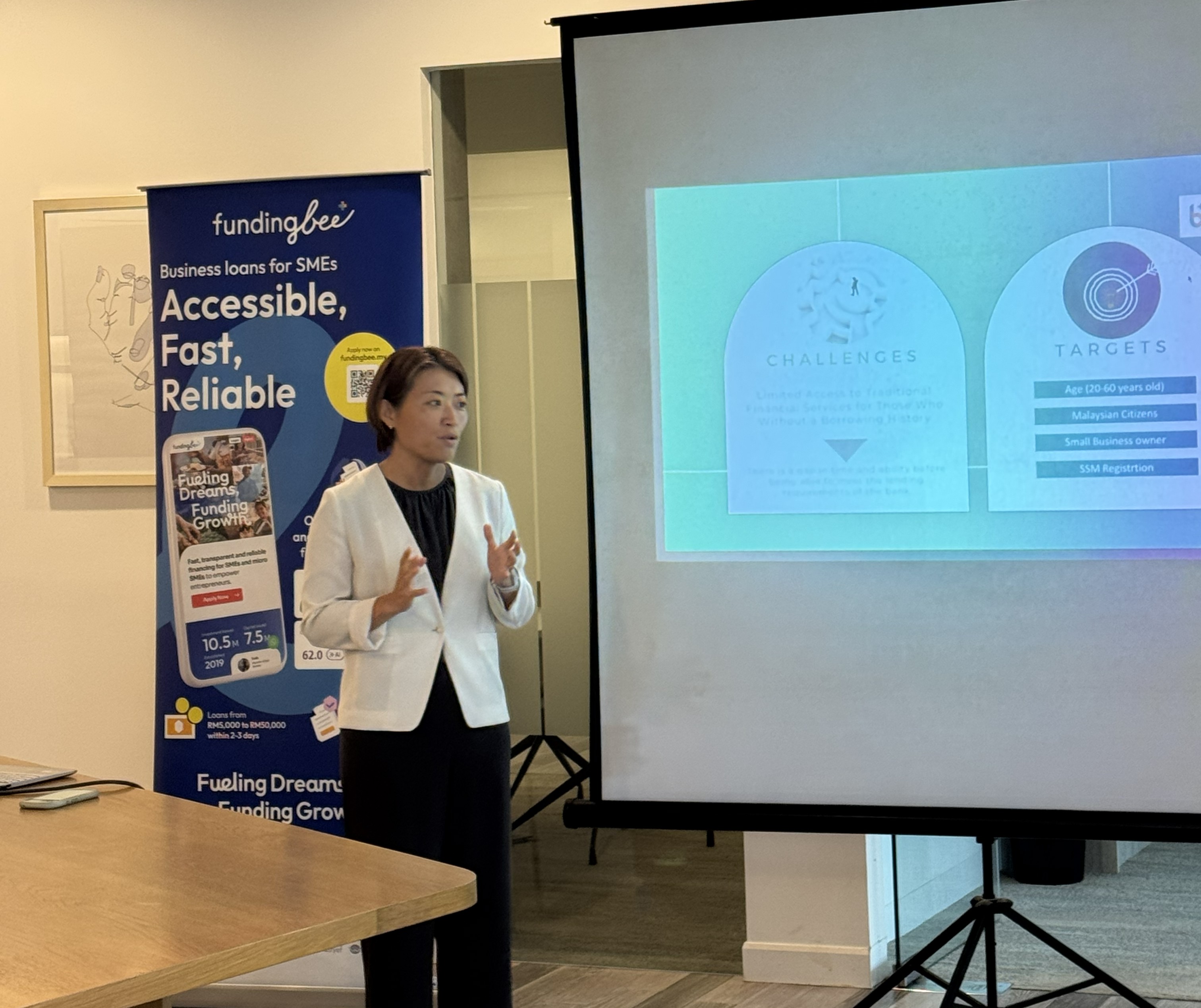
According to Fumiko, the CEO of FundingBee, understanding how lenders think is the first step to borrowing responsibly.
Which Should I Take: a Business Loan or a Personal Loan?
Some first-time SME owners assume that because business loans have higher interest rates, personal loans or credit cards are more practical. There is no single right choice—it depends on income structure and loan purpose.
With stable, provable personal income, a personal loan may be simpler. But when income is irregular or reinvested, affordability is harder to assess.
A business loan goes beyond personal income. Registration, operating history, and cash flow trends help lenders evaluate the business as a separate entity, which often suits early-stage founders better.
What If You Failed Before? Does Personal Credit Still Matter?
Many SME founders worry that past credit issues will automatically disqualify them.
Non-bank lenders do review both business and personal credit histories, even if the loan is for the company. “We start by evaluating the business,” Fumiko notes, “but we do check individual credit records.”
Minor delays may be overlooked, but serious issues—especially repayment delays of more than two months—are often deal breakers. Consistency matters more than perfection.
Can Newly Established Companies Apply?
Yes—but time still matters.
FundingBee generally looks for businesses with about two years of operating history. “Many small businesses fail within the first year,” Fumiko explains. “Two years is our usual benchmark, but depending on the business and its performance, we may also consider companies after one year.”
This is still far more flexible than traditional banks, which often require at least three years of operations and multiple consecutive years of profitability.
What About Businesses That Are Still in the Red?
This is where non-bank lending differs most clearly from banks.
Banks rely heavily on financial statements, which many small businesses don’t yet have—and can be costly to prepare.
Instead, FundingBee reviews six months of bank statements to assess actual cash flow. “We don’t require financial statements,” Fumiko says. “What matters is that your cash balance is stable and improving.”
2 Red Flags Lenders Cannot Ignore
Two red flags almost always result in rejection.
The first is an insufficient cash balance. If a borrower needs to repay RM3,000 a month, consistently ending the month with only a few hundred ringgit signals immediate risk. FundingBee generally looks for cash balances of about three times the monthly repayment amount.
The second is missing business licenses, especially in regulated industries such as food or retail. An unlicensed business can be shut down overnight, instantly stopping repayment.
The Message for First-Time Borrowers
Non-bank loans are not shortcuts or emergency money. They are tools for businesses that understand and manage cash responsibly.
“Before applying, calculate your repayment and check your cash honestly,” Fumiko advises. “If you can consistently maintain three times that amount, you’re thinking like a business owner—and that’s who we lend to.”
Funding Bee’s website provides a loan calculator to help estimate repayments, as well as a step-by-step overview of the application process: Using these tools before applying ensures you approach borrowing strategically and responsibly.
Knowledge is step one. Funding is step two. When you're ready to act, we're ready to move fast. See how it works