
What We Learned from Japan’s Startup Community: Building a Business in Malaysia
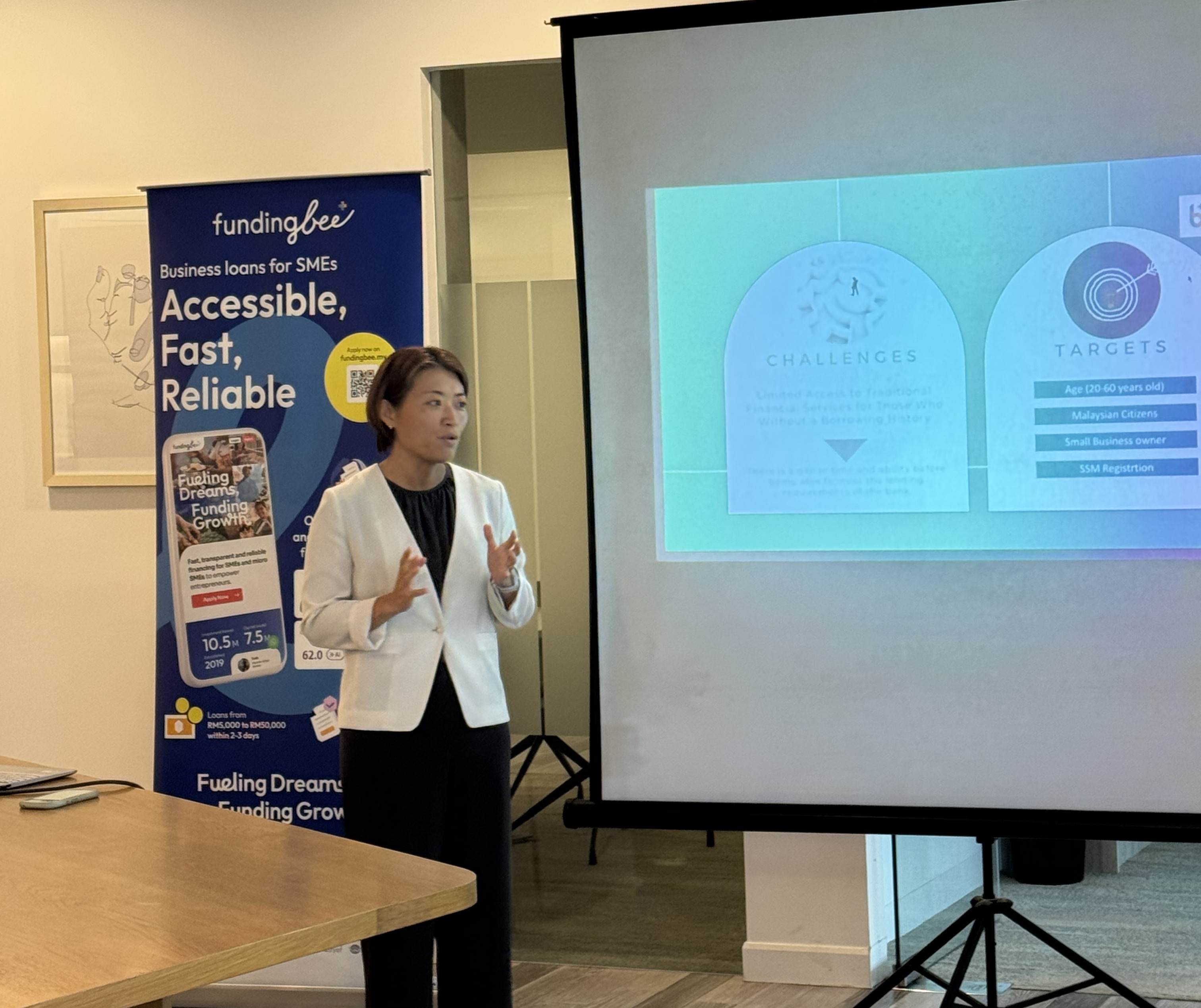
At Bee Informatica, we raise funds in Japan to support our operations in Malaysia, where we help local SMEs access financing to grow.
My fundraising journey in Japan led me to join the Startup Running Society, known as “Sutaran,” a community that brings together people from across Japan’s startup ecosystem.
Tokyo has a vibrant startup community where entrepreneurs, investors, and corporate innovation teams connect to exchange ideas and create new business opportunities. Sutaran includes members from various fields, including venture capital and M&A advisory, creating opportunities for collaboration and professional connections.
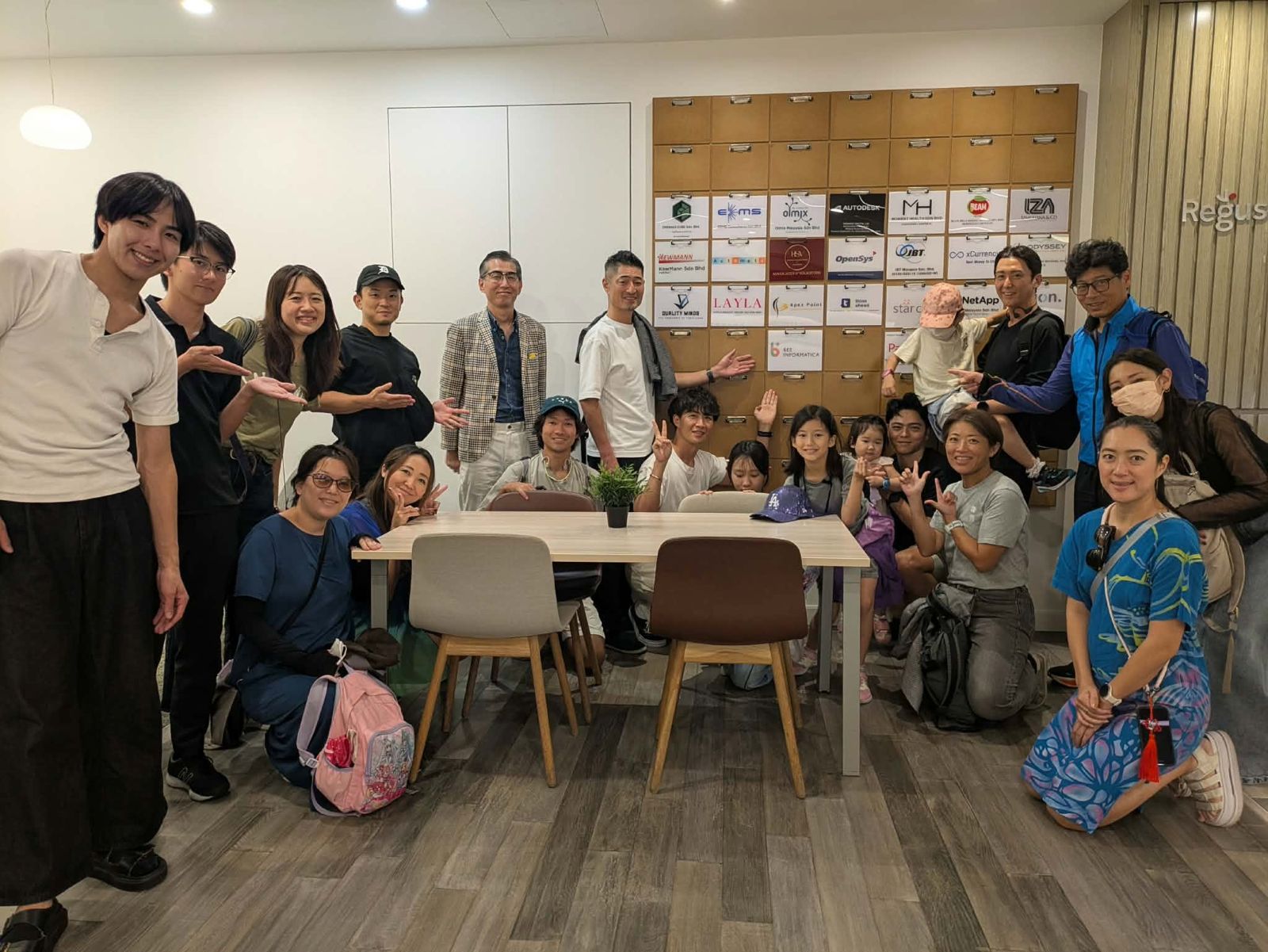
Recently, community members traveled to Malaysia to participate in a marathon. They also visited Bee Informatica's office, giving us a chance to exchange ideas about building and growing a business across borders.
Learning from Different Experiences: Why People Join a Startup
During the visit, the members asked us a range of questions about our business and how we operate. They were curious about our recruitment process and why Syed, our Director, decided to join Bee Informatica.
These questions gave us a fresh perspective on our business and what it takes to build a startup.
Syed brings valuable experience from working with several startups. He joined Bee Informatica not only to learn from Japanese business culture, but also to contribute to a business with a meaningful social mission.
For startups, finding the right people involves more than looking at professional experience and technical skills. It is also important to find people who believe in the company's mission and are motivated to grow with the business.
At Bee Informatica, we believe bringing together people with different backgrounds, experiences, and perspectives helps us build a stronger team and create new growth opportunities.
What We Discovered by Looking at Our Business from the Outside
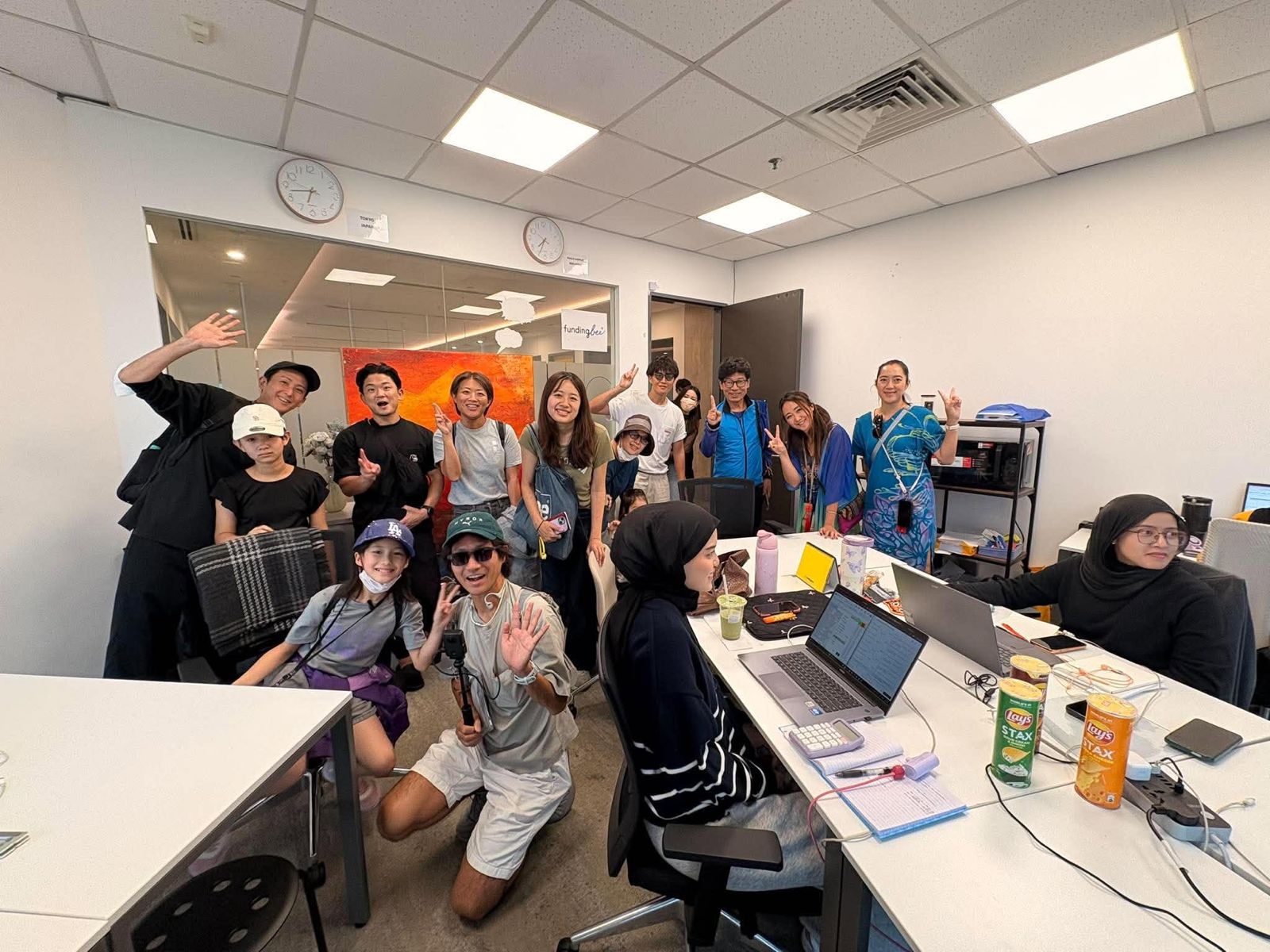
The visit also gave our team a chance to learn directly about Japanese work practices through conversations with Sutaran members.
One thing that stood out was how practices that seem ordinary to us can offer a different perspective in another business environment.
For example, Japanese workplaces often break tasks into smaller steps, set clear targets, and track progress through measurable indicators, commonly known as Key Performance Indicators (KPIs).
At Bee Informatica, this approach is also important in our financing operations.
To support more SME financing cases, we need to understand how many applications our team must review, how many we can process each day, and how long each step takes. By measuring each stage, we can identify bottlenecks, improve efficiency, and set realistic performance targets.
Rather than focusing only on the final results, we focus on how those results are achieved and where improvements can be made.
Why Communication Matters: Understanding Japan’s “Horenso”
Another characteristic of Japanese business culture is horenso, a term formed from three Japanese words: hokoku (reporting), renraku (sharing information), and sodan (consulting or asking for advice).
In practice, this means keeping colleagues and managers informed about work progress, sharing important updates, and raising questions or problems early rather than waiting until a deadline.
For example, when an employee receives a task, they are generally expected to provide updates along the way, report delays, and ask for guidance when needed. Managers should not have to wait until the deadline to find out whether the work is progressing as planned.
In Japan, these practices are often considered a normal part of working life. However, communication expectations can differ by country and workplace.
At Bee Informatica, we see value in making these expectations clear. Regular updates help our team stay aligned, identify problems earlier, and avoid unnecessary delays.
By combining clear communication with structured processes and performance tracking, we believe we can improve both the quality and efficiency of our operations.
Creating New Opportunities in Malaysia
When Japanese professionals consider working or expanding their businesses overseas, Singapore is often one of the first destinations that comes to mind. However, Malaysia also offers opportunities for international collaboration, bringing together people from different cultural and professional backgrounds.
Japanese approaches to process management, quality control, and time management can bring value to Malaysian businesses when adapted to local needs. At the same time, working with Malaysian colleagues lets us learn from different perspectives and problem-solving approaches.
Our work connects different markets and business cultures. We believe combining these strengths creates value not only for our company, but also for the SMEs we support.
As we continue to grow, we will keep learning, improving our operations, and exploring new ways to support Malaysian businesses.
Want more perspectives from the people building the future of SME finance?
Read more conversations with founders and the team behind FundingBee. Explore CEO interviews