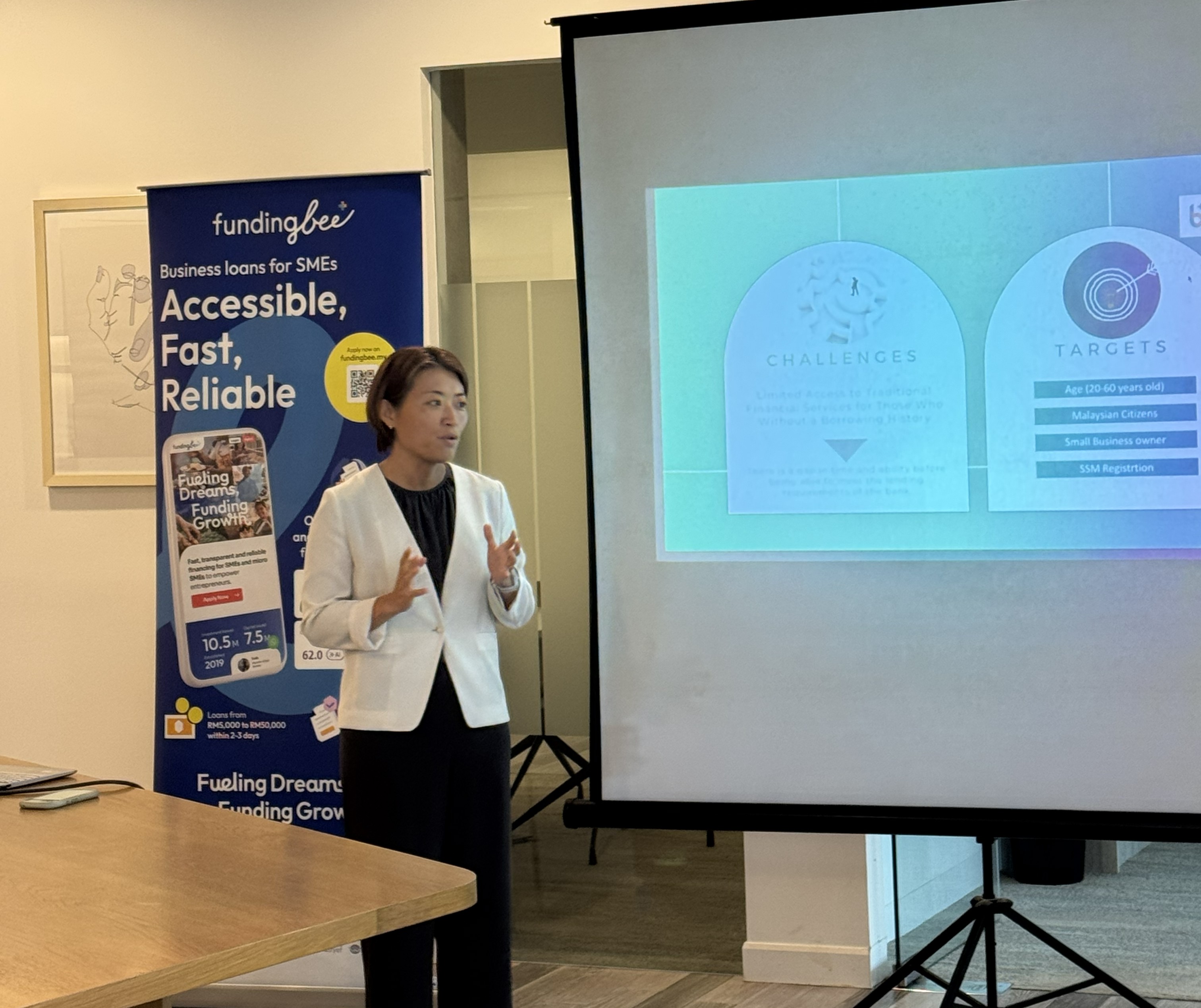

When Tightening Requirements Backfired: A Lesson on Trust, Follow-Up, and Partnership
.png)
Last year, we made a decision that many lending businesses believe is the “safe” choice: we tightened our lending requirements.
At Funding Bee, we believed stricter rules would protect repayment rates and improve applicant quality. What actually happened taught us a deeper lesson—one about trust, follow-up, and what truly sustains a financial partnership.
Here is why we changed our policy, what went wrong, and what fundamentally shifted in how we operate.
How Lending Really Works Behind the Scenes
In a lending business, the journey does not end when money is disbursed. It begins there.
First comes screening. At Funding Bee, our baseline criteria include:
- At least one year of business operation
- A minimum level of monthly revenue
Once approved, our finance team designs a repayment plan. But no matter how carefully structured, reality can intervene. Businesses face downturns, cash flow tightens, and some borrowers fall behind.
That is when our collections team steps in—not to pressure or threaten, but to understand. They start with messages and calls, and when needed, they visit a client’s office or home. Their role is closer to a consultant than a debt collector.
In our early days, I handled everything myself—from screening to collections. That experience shaped one core belief:
A lending business only works when requirements, screening, and follow-up are in balance.
The Moment the Numbers Started to Slip
Around October last year, we saw a warning sign no lender can ignore: repayment rates began to decline.
Our investigation revealed a simple reality. Many of our borrowers’ businesses were struggling, and revenue had dropped.
Funding Bee exists to support small business owners who are often turned away by traditional banks. But lending always involves tension. Too strict, and you abandon the founders you aim to help. Too loose, and financial risk escalates quickly.
Under pressure to stabilise repayment, we decided in December: tighten the requirements. We raised the minimum years of operation and increased revenue thresholds.
On paper, it made sense.
When “Stricter” Became the Wrong Answer
The outcome surprised us.
Applicant quality did not improve. At the same time, new applications and referrals dropped sharply. Sales teams struggled to explain repeated rule changes, and momentum slowed.
More importantly, another issue surfaced.
Due to internal staff changes, our collections follow-up had quietly weakened. It became clear that requirements were not the real bottleneck. Follow-up was.
Stricter rules had not fixed the problem. Stronger follow-up had.
We adjusted our approach again—slightly relaxing requirements while doubling down on consistent, human follow-up.
What Follow-Up Taught Me About Trust
Once follow-up strengthened, repayment rates stabilised.
But the bigger shift was personal.
Growing up in Japan, I learned that strict rules create accountability. Running a business in Malaysia taught me something different: frequent, sincere follow-up builds trust—and trust drives repayment.
Control has limits. Relationships do not.
Today, we choose flexibility over rigidity. At Funding Bee, we no longer see lending as a power structure, but as a partnership. We stay close to founders, understand their realities, and navigate challenges together.
Because sustainable repayment is not enforced.
It is earned through trust.
If you are building your business and looking for a financial partner who stands beside you—not above you—we are here to grow with you.
Want to stay informed on SME funding in Malaysia? Explore our latest company news and market updates. Read more articles